Wool is a natural fiber used in bedding for its springy texture, moisture-handling qualities, and ability to support comfortable sleep across changing conditions. In pillows, wool fill can help create a resilient, moldable surface for the head and neck. Its characteristics differ from synthetic fills and may suit people seeking natural-fiber bedding.
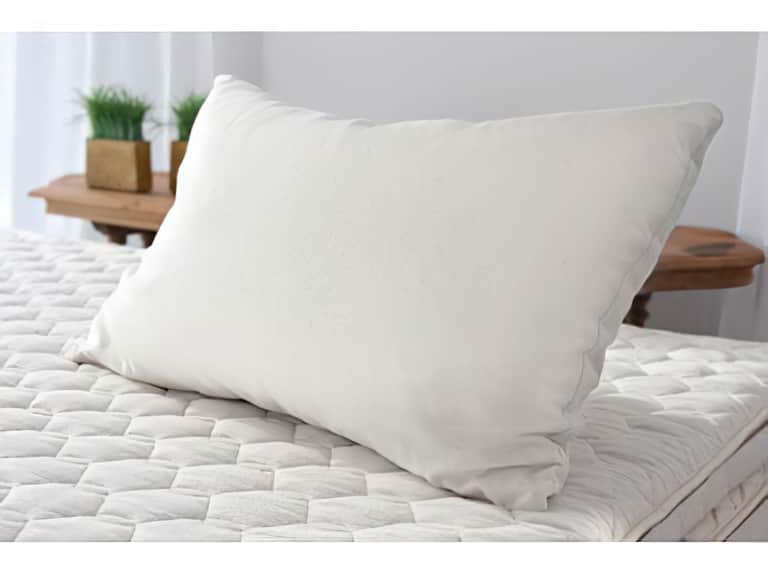
The Savvy Rest Wool Pillow features wool filling that can be shaped and repositioned to adjust the pillow’s loft and feel. This flexibility helps accommodate different sleep positions and personal comfort preferences. As with any pillow, suitable support depends on body size, sleeping posture, and how much height feels comfortable.
Wool fibers can absorb and release moisture, which may help manage humidity around the sleeper. Their natural structure also provides resilience, allowing the fill to recover after compression. These properties make wool pillows a distinctive option among bedding materials, though warmth and comfort can vary with room temperature, pillow covering, and individual needs.
When comparing pillows, consider fill material, loft, firmness, cover fabric, and care instructions. Wool is different from the latex, cotton, or polyester commonly found in pillows, and its feel may change with use. Checking product details helps clarify how a wool pillow fits into a broader bedding setup.
Natural-fiber bedding can be considered alongside sheets and organic mattresses, including organic crib mattresses, when evaluating materials in a sleep space. A wool pillow is intended for head and neck support, while mattresses and sheets serve separate functions. For infants, pillow use and sleep arrangements should follow current safe-sleep guidance.
 Bedding