Reading the Fine Print: Understanding Mattress Certifications and What They Mean for Sleep Health

A stylish, science-forward exploration of the labels brands use to promise safety, sustainability, and comfort. This is the guide you wish you had before you started comparing mattresses, with clear explanations, practical tips, and human voices from across time who shaped how we think about sleep, materials, and wellness.

In the modern sleep aisle, certifications are the breadcrumbs that help us trace the journey of a mattress from raw material to your nightly sanctuary. Brands such as Naturepedic, Savvy Rest, Suite Sleep, and many others lean on labels like GOTS, GOLS, and CertiPUR-US to communicate safety, organic content, and performance standards. But what do these acronyms actually certify? And how should a shopper interpret them when evaluating sleep health?

Certification labels are not mere marketing flares; they are promises backed by third-party assessment, testing, and ongoing oversight. For someone who values sleep health—whether you’re chasing a night of uninterrupted rest, battling allergies, or seeking a mattress that minimizes chemical exposure—these marks matter. They translate into real-world differences: the absence of toxic flame retardants, the presence of organically grown fibers, the measurement of emissions from foam, and the durability of a product under years of nightly use.

To bring this discussion to life, we’ll hear from notable voices across eras who have helped shape our understanding of comfort, materials, and the ethics of production. These are not merely footnotes in a catalog; they are pioneers whose ideas echo in today’s sleep science and informed shopping.

What the Certifications Actually Indicate

Before you zero in on any particular product, here is a quick primer on three commonly encountered certifications and what they generally signify in the world of organic and natural mattresses.

  • GOTS (Global Organic Textile Standard) — This is the gold standard for organic textiles. A mattress or its fabric components labeled GOTS must use at least 70% organic fibers and must meet environmental and social criteria throughout the supply chain, from farming to finishing. It emphasizes transparency, prohibits toxic chemicals, and requires social criteria for workers.
  • GOLS (Global Organic Latex Standard) — This certification focuses on organic latex. A GOLS-certified product guarantees latex that has a high organic content, along with controls on processing, emissions, and environmental impact. It’s a key signal for latex enthusiasts who prioritize organic content in the core materials.
  • CertiPUR-US — A widely recognized standard for polyurethane foams and related components. CertiPUR-US assesses indoor air quality, emissions, and content safety. It verifies that foams are free from certain harmful substances and subject to testing for low VOC emissions. It does not certify raw materials as organic, but it provides assurance about content safety and environmental emissions for foam layers.

How to Read Certification Labels

When you spot a label, don’t stop at the acronym. Look for:

  • The scope: which materials or layers are covered by the certification.
  • The scope of the certification: is it global or regional?
  • The certifying body: is it a reputable third party with open reporting?
  • Renewal/recertification cycles: how often is the certification re-evaluated?

Avoiding Greenwashing in Mattress Claims

Greenwashing is the practice of presenting a product as more environmentally friendly than it actually is. To guard against it:

  • Ask for the exact standards and the certifying body.
  • Verify the scope of the certification on the official registry.
  • Check for full ingredient disclosure and any restricted substances.
  • Seek independent lab testing data where possible.

Three Voices Across Time

To illuminate how certifications connect with sleep health, let’s hear from three influential figures whose work touched on materials, design, and well-being.

Hypatia of Alexandria (c. 350–415 CE)

A thinker at the intersection of science and inquiry, Hypatia's spirit of rigorous observation inspires a modern habit: question the sources, examine the evidence, and seek truth beyond labels. In sleep science terms, this means approaching mattress claims with curiosity and a critical eye toward what is truly measured and tested.

Florence Nightingale (1820–1910)

A pioneer of sanitary science, Nightingale championed data-driven approaches to health. Her legacy echoes in modern sleep-health research: systematic documentation, rigorous study of environments, and the ethical obligation to minimize harm—principles reflected in how we evaluate mattress materials, emissions, and safety certifications.

Dr. Samuel Cartwright (1793–1863)

A controversial figure in medical history, Cartwright’s era reminds us to separate science from dogma. Today’s sleep-health community continually tests assumptions about comfort, support, and material safety—using certifications as guardrails to ensure science guides our choices, not marketing hype.

Practical Pathways: Certifications in Action

Let’s walk through a practical scenario: evaluating a mattress with GOTS, GOLS, and CertiPUR-US marks versus a non-certified alternative. What should you consider?

  • Core materials: If GOLS is present, you’re looking at organic latex content; verify the organic percentage and whether the entire latex core or only select layers are certified.
  • Textile finishes: GOTS signals organic fibers in the fabric layers, but check for dyeing practices and chemical ecology in the finishing process.
  • Foam layers: CertiPUR-US focuses on foam safety and emissions; look for the specific test results and the VOC thresholds achieved by the foam.
  • Overall health footprint: Many brands blend certifications with additional sustainability claims—traceability of supply chains, fair labor practices, and waste reduction programs.
  • User experience factors: Comfort, pressure relief, cooling properties, and durability may not be fully captured by labels alone. Look for independent reviews, manufacturer data, and your own sleep trials when possible.

A Non-Commercial, Educational Perspective on Certification Labels

While the certification landscape can be complex, the core message remains clear: well-tested materials and transparent sourcing contribute to safer, healthier sleep. The goal of a site like applemattress.com, in Direction A, is to demystify these labels, empowering readers to make informed choices that align with their sleep-health goals without feeling pressured into a purchase.

By presenting expert insights, accessible explanations, and actionable checklists, the content aims to be a reliable resource for lifelong sleep health. The approach privileges accuracy, clarity, and empathy—inviting readers to explore, question, and ultimately sleep better.

A Sample Shopping-Mode Note: Product Spotlight

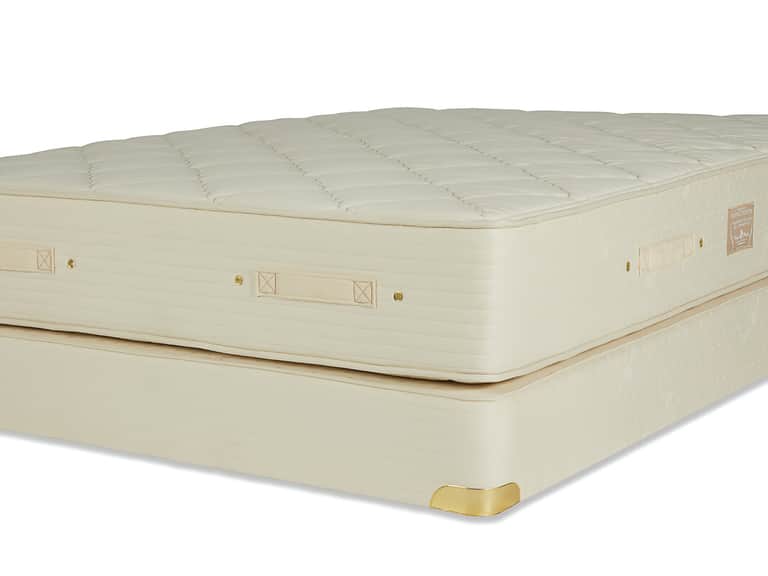
As a practical example, we spotlight a real product from the mattress world that emphasizes natural materials and high craftsmanship. The Royal-Pedic Premier Natural Latex Quilt-top Mattress is a flagship you’ll often encounter in conversations about organic comfort. Its 10" natural latex core, encased in layers of chemical-free French wool and premium cotton fabric, offers a balance of firmness and plush support. The construction is designed for durability and moisture regulation, with a wool wrap that wicks moisture and helps maintain temperature neutrality throughout the night. This mattress is built to last, with the option of compatibility with adjustable bases and a double-diamond box spring, reflecting a commitment to long-term performance rather than fast-fashion comfort.

Image Gallery

Royal-Pedic Premier Natural Latex Quilt-top Mattress — Front View
Image: Royal-Pedic Premier Natural Latex Quilt-top Mattress
Royal-Pedic Premier Latex Core Section
Image: Latex Core
Natural Wool Wrap Detail
Image: Wool Wrap

Note: The images above are representative placeholders to illustrate product features. For actual visuals, refer to official product galleries on brand sites.

Conclusion: Certifications as Compass for Sleep Health

mattress certifications are not a magic wand, but they are a reliable compass that points toward safer materials, clearer supply chains, and healthier sleep environments. By understanding GOTS, GOLS, and CertiPUR-US—and by looking for corroborating evidence such as third-party audits, independent testing data, and transparent disclosure—consumers can navigate the mattress landscape with confidence. This approach aligns with a broader commitment to sleep health and wellness, echoing the timeless wisdom that good rest is essential to a vibrant life.

In the spirit of timeless voices—from Hypatia to Nightingale to the modern sleep scientists—let curiosity guide your journey toward a better night’s sleep. After all, the best mattress certification is the one that helps you wake up feeling rested, refreshed, and ready to greet the day with clarity.

Note: The article references products, including the Royal-Pedic Premier Natural Latex Quilt-top Mattress, to illustrate material composition and certification considerations. Product imagery is illustrative; availability may vary by retailer.

Related Products

Royal-Pedic Premier Natural Latex Quilt-top Mattress

Royal-Pedic · No. PNLTXQ

Royal-Pedic Premier Natural Latex Quilt-top Mattress

Experience balanced support and plush comfort with natural latex that adapts to your curves, stays cool, and resists dust mites—all wrapped in chemical-free wool and premium cotton for a luxurious, long-lasting sleep.
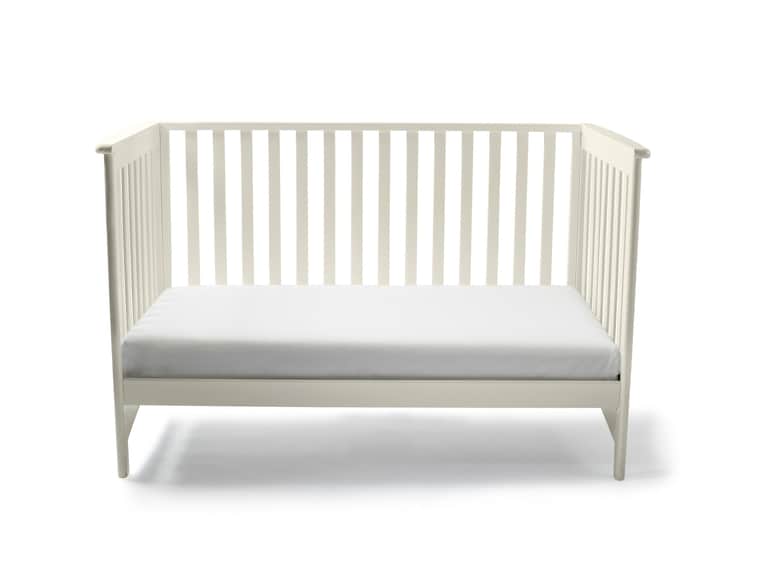
Naturepedic Lightweight Organic Cotton Crib Mattress

Naturepedic · No. NLOCCM

Naturepedic Lightweight Organic Cotton Crib Mattress

Sleep easy with a lightweight, all-organic crib mattress that’s firm for safety, waterproof for quick cleanups, and seamless to prevent mold—so your baby naps soundly and you change sheets with confidence.
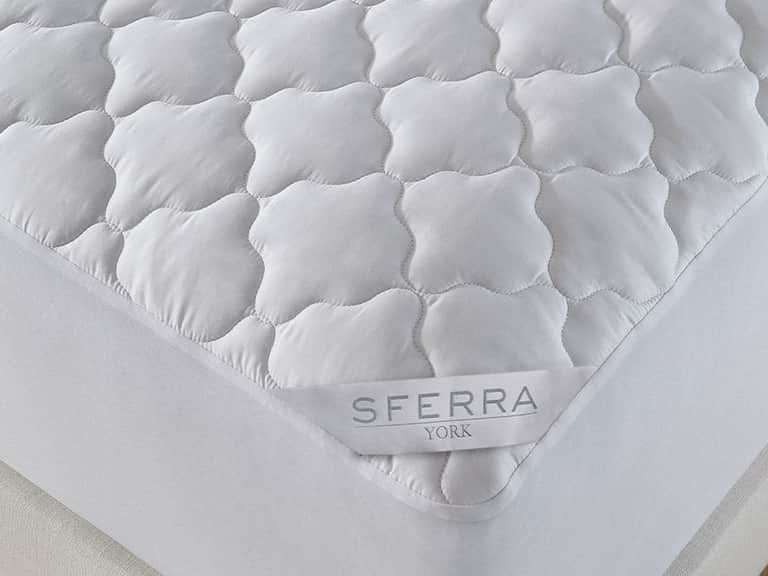
York Mattress Pad

Sferra

York Mattress Pad

Experience luxurious loft and balanced comfort with York, a breathable cotton-filled down-alternative pad that stays fluffy, feels silky soft, and keeps its shape wash after wash.

Theme