Bedding · Infant sleep
Choosing an Organic Crib Mattress: Materials, Fit, and Care
A crib mattress is more than a nursery purchase: it is the foundation of a baby’s sleep space, and it should fit the crib properly, have a firm, flat surface, and be maintained according to its instructions. If you are considering an organic crib mattress, take a close look at what “organic” applies to, how the mattress is built, and what the manufacturer says about cleaning and use.
It is easy to be drawn in by natural materials, soft colors, and reassuring labels when preparing a nursery. But choosing a crib mattress is a practical decision first. The most important questions are straightforward: Is the mattress intended for this crib? Does it fit securely? Is its sleep surface firm and flat? Can you follow the care instructions without adding products or layers that change the surface?
Organic materials may matter to families who want to understand the sourcing and processing of the textiles or filling in a mattress. They do not, by themselves, establish that a product is safer for every baby or that it meets every relevant safety requirement. Read the full product details, check applicable certifications, and follow the crib and mattress manufacturers’ instructions. When in doubt, ask the manufacturer or your child’s health care professional rather than relying on a marketing phrase.
Start with the sleep surface, not the label
For an infant, the crib sleep surface should be firm, flat, and designed for the specific crib. Use a fitted sheet made for that mattress and keep the sleep space clear of loose bedding and soft objects. A mattress that feels plush in a showroom may not be appropriate for infant sleep simply because its cover or materials sound appealing. “Organic,” “natural,” and “premium” describe different attributes; none replaces checking fit, firmness, construction, and the product’s intended use.
Look for clear information from the maker about the mattress’s dimensions, materials, assembly, and care. Product pages should identify the components rather than relying only on broad claims. If details such as the cover fabric, core material, waterproof layer, or cleaning method are missing, contact the manufacturer before purchasing. Being able to verify the basics is more useful than a long list of vague promises.
Crib mattresses are subject to safety requirements in the United States. Families can consult current guidance from the U.S. Consumer Product Safety Commission (CPSC) and follow the instructions supplied with the crib and mattress. Product standards and guidance can change, so check current information rather than assuming that an older hand-me-down, an online description, or a label alone answers every safety question.
What “organic” can—and cannot—tell you
The word “organic” may refer to particular fibers or materials, such as cotton, rather than every part of a finished mattress. A mattress can combine several components: a textile cover, padding, a supportive core, seams, adhesives, barriers, or other internal layers. The product’s specification should make clear which components are described as organic and which are made from other materials.
Certifications can help make claims more specific, but it is worth reading what each certification covers. A certification related to the cultivation or processing of a textile is not automatically a certification of the entire finished mattress, nor does it prove a health outcome. If a product cites a certification, look for the certifier’s name, the scope of the certification, and whether the claim applies to the material or the finished product. When necessary, verify the claim with the certifying organization.
Natural fibers and organic production may align with a family’s environmental or material preferences. Still, “organic” is not a substitute for checking whether the mattress is intended for a crib, whether its dimensions match, or whether its surface is suitable for infant sleep. Nor should it be treated as a guarantee that a baby will sleep longer, breathe more easily, or avoid allergies. Those outcomes cannot be promised by a material label.
Compare the cover, core, and any protective layer
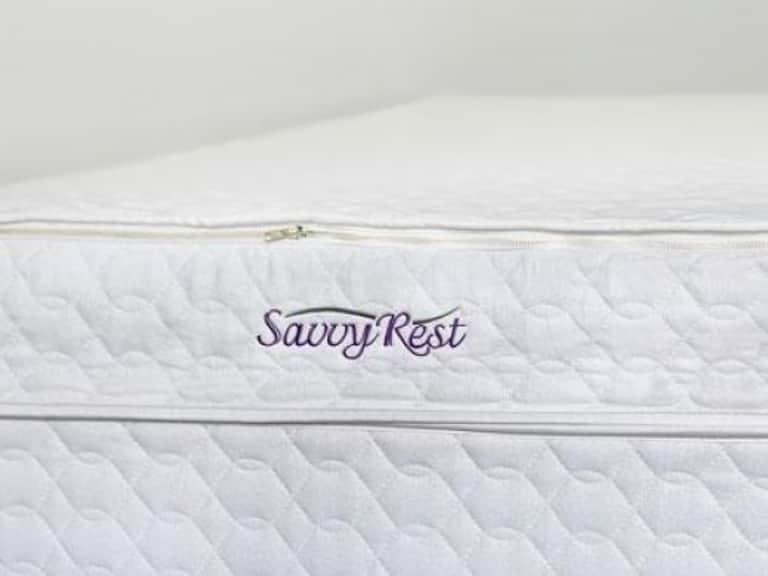
When comparing an organic crib mattress, read its construction from the outside in. The cover is the material that comes into contact with the fitted sheet and forms the visible exterior. It may be cotton or another textile, and its weave, seams, and cleaning instructions all affect everyday use. Ask whether the cover is removable, whether it can be washed, and whether removing it is permitted. A cover that looks simple may still have specific care requirements.
The core provides the mattress’s structure and support. Depending on the model, it may use a firm foam, springs, or another material. The label “organic” does not necessarily describe the core, so check the material breakdown rather than assuming the whole mattress is made from a single fiber. Consider how the maker describes firmness and construction, and do not add a soft topper to change the feel of an infant mattress.
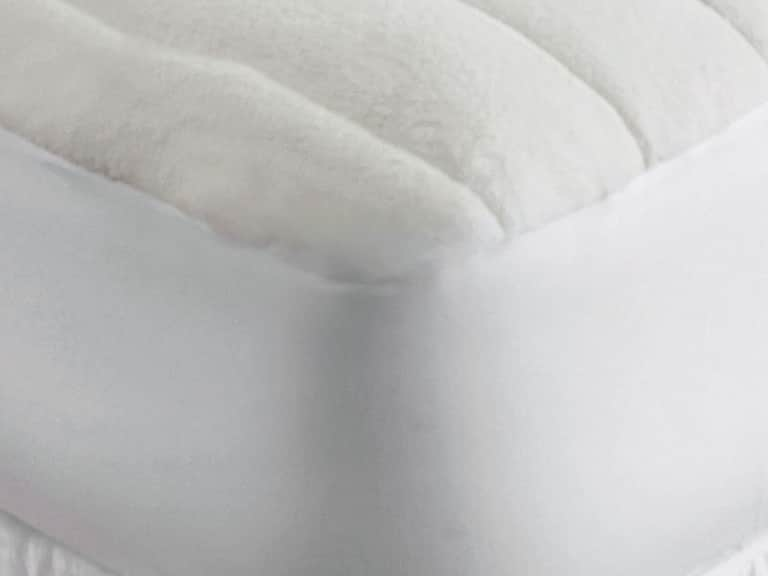
Some mattresses also have a waterproof layer or barrier. That layer may be integrated into the mattress or provided separately as a protector or moisture pad. Find out which is true before buying extra bedding. A separate pad is an accessory, not a replacement for the mattress, and it should be used only if the crib and mattress manufacturers’ instructions allow it. It must not compromise a firm, flat surface or create a loose, bunching, or ill-fitting layer.
One example of a separate bedding layer is the Naturepedic Waterproof Organic Cotton Crib Mattress Pad. Its product description identifies a cotton flannel top, cotton muslin bottom, and a thin waterproof inner layer, and says that it is designed to go under a crib sheet. The description also lists machine washing and drying as care options. That makes it an example of a moisture-protection layer—not a crib mattress. Before using any pad, confirm compatibility with your specific mattress and crib instructions and ensure the fitted sheet still fits securely over the complete sleep surface.
Fit is a safety check, not a finishing detail
A mattress should be made for the crib and fit within it securely. Do not rely on a “standard size” description alone: check the dimensions in the product specifications against the crib manufacturer’s information. Cribs and mattresses can vary, and a product that seems close in size may still leave an unsafe gap or sit poorly in the frame.
After placing the mattress in the crib, follow the crib maker’s instructions for checking the fit. The mattress should lie flat and should not bow, tilt, or shift noticeably. There should not be a hazardous gap between the mattress and the crib sides. If you are unsure whether the fit is acceptable, contact the crib or mattress manufacturer before using it. Do not try to correct a poor fit with rolled towels, extra padding, or improvised fillers.
Check the mattress height and support settings as the baby grows, using the crib manual to determine when and how to adjust them. Keep all hardware and support components correctly installed. If a mattress has been damaged, altered, or used with an incompatible frame, stop and seek guidance from the manufacturer. A snug fitted sheet is also essential: it should be designed for the mattress dimensions and stay in place without loose fabric.
Care instructions matter in real life
Care is part of choosing a mattress because spills and messes are a normal part of life with a baby. Before purchase, find out whether the surface can be wiped clean, whether the cover can be removed, and which cleaning products or methods are permitted. Some mattress covers cannot be machine washed; other products have specific limits on temperature, detergents, or drying. Follow the exact instructions rather than improvising with soaking, steam, harsh chemicals, or heat.
Waterproof protection can simplify cleanup, but it should not lead to adding multiple layers. Use only accessories permitted by the manufacturers, and make sure every layer lies flat and remains secure. If a pad becomes loose, damaged, or distorted, remove it and replace it only with an appropriate product. Do not use a protector to compensate for a mattress that is stained, damaged, or no longer fits the crib correctly.
Regularly inspect the mattress and its cover for tears, worn seams, exposed filling, moisture, or other damage. Check that the mattress remains level and that the crib support is stable. Clean promptly according to the care label, then allow items to dry as instructed before returning them to the crib. Damp textiles can be uncomfortable and may be difficult to keep clean, so avoid putting bedding back while it is still wet.
For a used mattress, ask about its history and inspect it carefully. A clean-looking exterior does not reveal every issue, and a mattress that has been stored improperly or exposed to moisture may be difficult to assess. Confirm that it fits the crib and that it has not been damaged or modified. If you cannot verify its condition or compatibility, consult the manufacturer or choose a product whose history and specifications are known.
A simple comparison checklist
Product descriptions can be dense, so compare the same points across each option. A brief checklist keeps attention on practical details rather than marketing language:
- Intended use: Is the mattress specifically described as a crib mattress?
- Dimensions: Do the listed measurements match the crib manufacturer’s requirements?
- Fit guidance: Does the maker explain how to confirm secure placement and use?
- Surface and construction: What are the cover, core, and any waterproof layer made of?
- Organic claims: Which materials are certified or described as organic, and by whom?
- Care: Can the mattress or cover be cleaned in a way that suits your household?
- Accessories: Are pads or protectors permitted, and will the fitted sheet remain secure?
- Documentation: Are instructions, warranty terms, and manufacturer contact details available?
It can help to save the product specifications and care instructions after purchase. Keep them with the crib manual so that another caregiver can see how the mattress should be used and cleaned. If you are comparing products online, rely on the manufacturer’s full documentation rather than a short listing or a single customer review. Reviews may describe individual experiences, but they cannot confirm the fit or suitability of a mattress in your crib.
Common assumptions worth reconsidering
“Organic automatically means safer.” Organic sourcing may be meaningful, but it does not establish fit, firmness, or compliance with every applicable requirement. Assess those points separately.
“A waterproof pad is part of the mattress.” Not necessarily. A pad may be a separate bedding accessory. Read the product description and instructions carefully, and do not assume it is required or compatible.
“A softer topper will make the crib more comfortable.” Infant sleep guidance emphasizes a firm, flat surface. Do not add a topper or cushion to soften a crib mattress.
“Any crib mattress labeled standard will fit.” Verify the measurements and follow the specific crib instructions. The label alone is not a substitute for checking fit.
A calm, informed choice
Choosing an organic crib mattress does not require deciphering every technical term at once. Start with the essentials: a product intended for a crib, dimensions that match the crib, a firm and flat sleep surface, and clear instructions for use and care. Then evaluate the materials and certifications according to your family’s priorities. If a separate waterproof layer is under consideration, treat it as bedding and check that the manufacturers permit it.
In the nursery, the simplest setup is often the easiest to keep consistent: a properly fitted mattress, a snug fitted sheet, and no unapproved additions. A careful review of materials can help you make a choice that feels right for your household, while attention to fit and care helps ensure the sleep surface is used as intended. When product instructions are unclear, ask the manufacturer before making assumptions—and consult your child’s health care professional for questions about your baby’s individual sleep needs.