Sleep Science & Mattress Basics
Natural Latex: How Layer Thickness Shapes Support and Comfort
A latex mattress isn’t one solid block of “soft” or “firm.” Its layers work together, and their thickness, firmness, and arrangement can change the way the whole surface feels. Here’s how to read that construction—and why a few inches can matter without telling the whole story.
Published October 9, 2026
Shopping for a mattress can feel like learning a new language. “Natural latex,” “comfort layer,” “support core,” and “medium firm” all sound useful, but the details become less clear when they appear together in a product description. One especially important detail is layer thickness: how many inches of latex are used, where those inches sit, and what firmness each layer has.
Thickness influences the distance your body can settle into the mattress before meeting firmer material beneath. A generous, softer upper layer may create a more cushioned first impression. A firmer layer below can help limit excessive sinking and provide a stable foundation. But thickness is not a shortcut to predicting comfort. The type of latex, the firmness of each layer, the sleeper’s body shape and position, and the surrounding materials all have a say.
Understanding those relationships makes it easier to compare natural latex mattresses with confidence—without relying on a single number, a vague label, or the promise that one construction suits everyone.
First, what is a latex mattress layer?
Latex is a resilient material used in mattress comfort layers and support cores. In a layered mattress, pieces of latex with different thicknesses or firmness levels are arranged to create a particular feel. The upper layers are closest to the sleeper and tend to have the most immediate influence on cushioning. Lower layers usually contribute more to the mattress’s overall stability and the way it responds under greater weight.
That distinction is helpful, but it is not absolute. A mattress is a system, not a stack of independent slabs. A soft top layer compresses against what is beneath it; a firmer base affects how far the upper material can give. The cover and any quilted materials add another part to the surface feel. Even the foundation underneath the mattress can influence how supportive the complete sleep setup feels.
Also pay attention to what “natural latex” means in a specific product description. Materials and construction can vary, and labels may distinguish between natural latex, synthetic latex, and blends. When comparing options, look for clear information about the core, layer arrangement, firmness, cover, and any additional materials. “Natural” describes an aspect of the material; it does not, by itself, explain how a mattress will feel.
How thickness changes the first impression
Picture lying down on a mattress with a soft upper layer. That layer compresses under your shoulders, hips, and other areas that meet the surface. If it is thicker, there may be more material available to cushion those areas before the firmer layers below have a stronger influence. This can create a more enveloping or plush sensation, depending on the latex firmness and the rest of the construction.
A thinner comfort layer may let the layers underneath contribute to the feel sooner. The result can feel more direct or responsive, though “thin” does not automatically mean “hard.” A soft, thin layer over a firmer core can still feel different from a firm layer of the same thickness. The exact response depends on how the materials compress together.
It is tempting to assume that thicker always means softer, or that a thicker comfort layer guarantees more pressure relief. Neither conclusion is dependable on its own. A thick, firm layer may feel quite supportive and substantial. A thinner, softer one may feel notably yielding. Thickness is one piece of the puzzle; firmness and construction determine how that thickness behaves.
For a useful comparison, ask two questions at once: How thick is each layer, and how is each layer described? A specification such as “two inches of soft latex over a six-inch medium latex core” offers more insight than a total mattress thickness alone. The first tells you about the arrangement; the second simply gives the overall depth.
Cushioning, pressure relief, and a sense of support
Comfort is personal, but many people are trying to solve a familiar balancing act: they want enough cushioning to avoid feeling pressed against the surface, while also wanting a level, stable sensation. Layer thickness can influence that balance by changing how much the upper portion of the mattress yields before the core has a stronger role.
Pressure relief describes how a sleep surface distributes contact and reduces concentrated pressure. A more accommodating comfort layer may allow prominent areas—often shoulders and hips—to settle into the mattress rather than meeting a very firm surface immediately. That can feel welcome to some sleepers, particularly when a mattress otherwise feels too unyielding. It is not a guarantee of pain relief, however, and mattress construction cannot diagnose or treat a medical condition.
Support is related but not identical to softness. In everyday mattress discussions, support often refers to how well the surface helps a sleeper maintain a comfortable, reasonably aligned posture. A mattress can have a plush top and a substantial support core, or it can have a firmer feel throughout. A soft first impression does not necessarily mean the mattress lacks support; nor does a firm label ensure that it will feel right for a particular person.
Natural latex is often described as responsive because it tends to push back as it compresses. How noticeable that response feels depends on the formulation and the layer design. A thicker comfort section may allow more gradual settling, while a firmer layer beneath can help keep that movement from feeling unbounded. But a sleeper’s weight and shape influence compression, so two people can experience the same mattress differently.
Your sleep position is part of the equation
Sleep position offers a practical starting point when considering latex layer thickness. It is not a strict rulebook—many people change positions during the night—but it can help clarify what kind of surface response you prefer.
- Side sleepers often pay close attention to cushioning around the shoulder and hip. If a surface feels too firm, those areas may feel as though they are taking more of the pressure. A more accommodating upper layer could be worth considering, but its firmness and the core below it matter just as much as its depth.
- Back sleepers may prefer a balance between gentle cushioning and a steady, even feel. The goal is not simply to sink as far as possible or remain completely on top of the mattress; it is to find a construction that feels comfortable and stable in the sleeper’s usual position.
- Stomach sleepers may be especially attentive to how deeply the midsection settles. A softer or thicker upper layer can feel quite different from a firmer, more restrained surface. Individual body shape, mattress design, and personal comfort remain important considerations.
- Combination sleepers may value how easily the surface responds when they turn or shift. Latex’s resilience is one reason some people explore it, but the overall feel still depends on the latex firmness and layer arrangement.
Body weight and shape also affect how much a layer compresses. A layer that feels gently cushioned to one sleeper may feel firmer to another, while a construction that seems supportive in a brief test may feel different after a longer period. If possible, evaluate a mattress using the position you normally sleep in, and check the seller’s trial and return terms before making a decision.
Why the total height can be misleading
A mattress that is twelve inches thick is not automatically more comfortable or more supportive than one that is ten inches thick. Total height may include several types of material: latex, wool, fabric, quilting, or other components. It does not tell you how much of the height is a soft comfort layer, how firm the core is, or how the layers are arranged.
For example, two mattresses could share the same overall height but use very different designs. One might have a thicker soft layer above a firm core. Another could have a thinner comfort layer and more latex beneath it. Even if their outside measurements match, their feel may not.
Construction details matter especially when comparing a layered design with a mattress that has a quilted top. Quilting and natural fibers can add a little surface cushioning and influence the initial sensation. A description that lists the latex core but does not explain the quilting may leave part of the story out. Look for an account of the full build, including the cover and any materials placed around the latex.
A real-world construction example
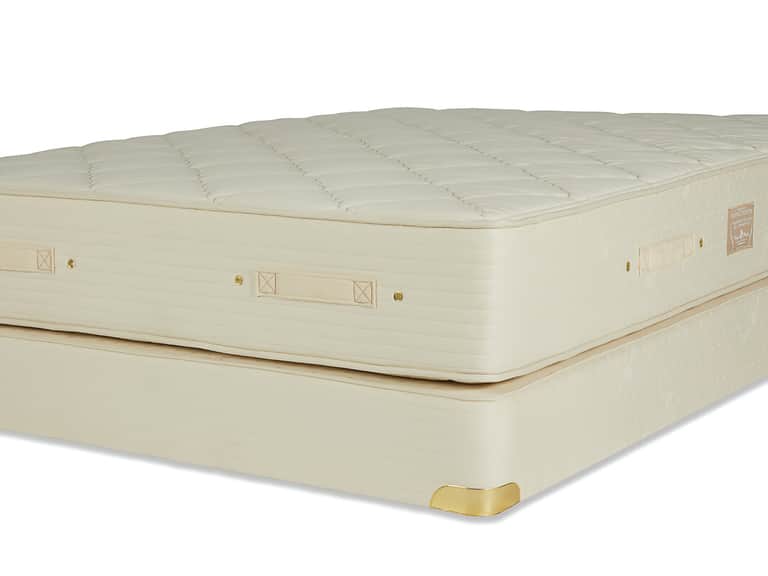
One example of a clearly described natural latex arrangement is the Royal-Pedic Premier Natural Latex Quilt-Top Mattress. Its listed latex core is ten inches thick: six inches of medium latex in the center, with two inches of softer latex on each side. The top and underside are described as identical, making the mattress flippable. A cotton cover quilted with French wool surrounds the core.
That breakdown illustrates why it helps to look past a headline thickness. The center layer and softer layers have different stated roles, and the matching sides affect how the mattress can be used. The wool quilting is another part of the design, rather than an invisible detail. These specifications are useful for understanding construction; they do not establish that this mattress will feel comfortable for every sleeper.
When examining any product description, treat the listed firmness terms as a starting point rather than a universal scale. Manufacturers may use different methods and language. If the construction details are unclear, asking for layer-by-layer thickness and firmness information can make the comparison more meaningful.
A practical checklist for comparing natural latex mattresses
Rather than focusing on a single number, gather a few details and consider them together. A simple comparison can prevent the most common misunderstanding: assuming that mattress height alone predicts the feel.
- Ask for the layer map. Find out how many layers there are, how thick each one is, and which layer sits at the top.
- Check each layer’s firmness. “Soft,” “medium,” and “firm” are useful clues, but ask how those terms apply to the individual layers and the mattress as a whole.
- Clarify the latex material. Look for whether the product is described as natural latex, synthetic latex, or a blend, and check whether the description is specific about what is included.
- Include the cover and quilting. Fabric and quilted layers can affect the first impression and the way the mattress feels against the body.
- Consider your own preferences. Note your usual sleep position, whether you like a buoyant or cushioned feel, and whether you are trying to change a particular comfort issue.
- Check the foundation requirements. A mattress may behave differently on a rigid platform than on a more flexible base. Confirm the maker’s guidance for the support underneath.
- Review care and trial details. Understand whether the mattress is flippable, how it should be maintained, and what options are available if it is not a good fit.
Common assumptions worth setting aside
“More latex means more comfort.” More material changes the construction, but comfort depends on firmness, placement, and the person using the mattress. A thicker layer may be appealing to someone who wants more cushioning and less appealing to someone who prefers a firmer, closer-to-the-surface feel.
“A thicker comfort layer is always better for pressure relief.” Thickness can create more room for compression, but a layer that is too firm for a sleeper’s preferences may still feel unyielding. A very yielding construction may also feel less stable to someone who wants more resistance. The whole design matters.
“Firmness and support mean the same thing.” Firmness describes the sensation of the surface. Support concerns how the mattress feels beneath the body and whether the sleeper finds the overall posture comfortable. They are connected, but they are not interchangeable terms.
“Natural latex is automatically the right choice for everyone.” Material preference is only one factor. Some people like latex’s responsive feel; others prefer a different surface response. Product labels, personal sensitivities, maintenance needs, and budget may also shape the decision. Read specifications carefully rather than assuming that a material category guarantees a particular experience.
The bottom line on latex layer thickness
Layer thickness can shape how a natural latex mattress cushions the body, how soon firmer material contributes to the feel, and how the mattress balances give with resistance. A thicker comfort layer may offer more opportunity for cushioning; lower layers help define the broader structure. Neither outcome can be judged from inches alone.
The most useful comparison combines thickness with firmness, material, construction, cover details, and your own sleep preferences. A clear layer-by-layer description is a better guide than total mattress height or a broad “plush” or “firm” label. If one specification is missing, ask for it. A thoughtful decision begins with understanding what is actually inside the mattress—and ends with considering how that design feels to you.
Frequently asked questions
Does a thicker natural latex layer feel softer?
Not necessarily. Thickness affects how much material is available to compress, but firmness is also important. A thicker firm layer can feel different from a thinner soft layer, and the material underneath influences both.
Is the latex core the same thing as the comfort layer?
Not always. A mattress may have softer latex near the surface for cushioning and a firmer latex section beneath it for a more stable foundation. Product descriptions vary, so check the stated layer arrangement rather than relying on the word “core” alone.
Can mattress thickness tell me whether a latex mattress is supportive?
No. Overall thickness gives the mattress’s depth, not a complete account of its feel or support. Layer firmness, arrangement, cover materials, foundation, and sleeper characteristics all contribute.
What should I compare first?
Start with a layer-by-layer breakdown: thickness, firmness, and material. Then consider how those details relate to your sleep position and preferred feel. The goal is not to find the thickest mattress, but to understand the construction that best matches your needs.