The Connection Between Sleep Quality and Dietary Choices
Exploring the relationship between what we eat and how well we sleep can unlock new strategies for improving sleep quality. This article delves into specific foods that promote restful sleep and those that may disrupt it, highlighting how dietary habits influence sleep patterns.
A Nutritional Perspective on Sleep
The food we consume has a profound impact on our sleep quality. Certain nutrients, such as magnesium and tryptophan, are known to promote relaxation and enhance sleep. Magnesium, found in leafy greens, nuts, and whole grains, helps regulate neurotransmitters that are crucial for healthy sleep patterns. Tryptophan, an amino acid present in turkey, eggs, and dairy, is a precursor to serotonin, which is then converted to melatonin—the hormone that regulates sleep-wake cycles.
However, not all foods are beneficial for sleep. Caffeine, found in coffee, tea, and even chocolate, can significantly disrupt sleep if consumed too late in the day. Similarly, high-sugar foods may lead to spikes in energy that can keep one awake at night. Understanding these connections can help individuals make informed dietary choices to improve their sleep outcomes.
The Role of Meal Timing
Dietary habits extend beyond food choices; the timing of meals also plays a critical role in sleep hygiene. Eating too close to bedtime can hinder the body's natural sleep-wake cycle. Ideally, individuals should aim to finish eating at least two to three hours before they plan to sleep. This allows the body to digest food properly and promotes a more restful night.
Key Historical Figures Making the Connection
Throughout history, notable figures have recognized the relationship between diet and sleep. For instance, the renowned Greek physician Hippocrates, often referred to as the father of medicine, believed that food was not only vital for health but also crucial for restorative sleep. His insights laid the groundwork for the modern understanding of nutrition and its impact on overall wellness.
Fast forward to the 20th century, Dr. John Yanagisawa, a sleep researcher, emphasized the significance of dietary patterns in sleep studies. His findings revealed that populations with diets rich in omega-3 fatty acids, such as those found in fish, experienced better sleep quality. His work continues to influence dietary recommendations for those struggling with sleep issues.
More recently, Dr. Matthew Walker, a neuroscientist and author of "Why We Sleep," reiterates the importance of nutrition in his discussions on sleep science. Walker highlights how a balanced diet not only contributes to overall health but also enhances cognitive function and sleep quality. He advocates for a focus on whole foods, particularly those rich in antioxidants, which can reduce inflammation and improve sleep quality.
Foods to Embrace for Better Sleep
- Almonds: A great source of magnesium, which promotes sleep.
- Kiwi: Packed with antioxidants and serotonin, studies show it can improve sleep onset, duration, and efficiency.
- Fatty Fish: Salmon and mackerel are high in omega-3 fatty acids and vitamin D, both of which may enhance sleep quality.
- Chamomile Tea: Known for its calming effects, chamomile tea can help reduce anxiety and promote better sleep.
Foods That May Disrupt Sleep
- Caffeine: Found in coffee, tea, and some soft drinks, caffeine can stay in your system for hours, making it hard to fall asleep.
- Spicy Foods: Spices can lead to indigestion and discomfort, which may disrupt sleep.
- High-Sugar Foods: These can cause spikes in blood sugar, leading to restlessness and wakefulness during the night.
- Alcohol: While it may seem to promote relaxation, alcohol can interfere with the sleep cycle and lead to poor sleep quality.
Quality Sleep Starts with Quality Choices
Incorporating sleep-friendly foods into your diet while avoiding those that disrupt sleep can create a more balanced lifestyle. By aligning your eating habits with your sleep needs, you set yourself up for a more restful night and a more productive day.
The Savvy Rest Tranquility Latex Mattress: A Sleep Solution
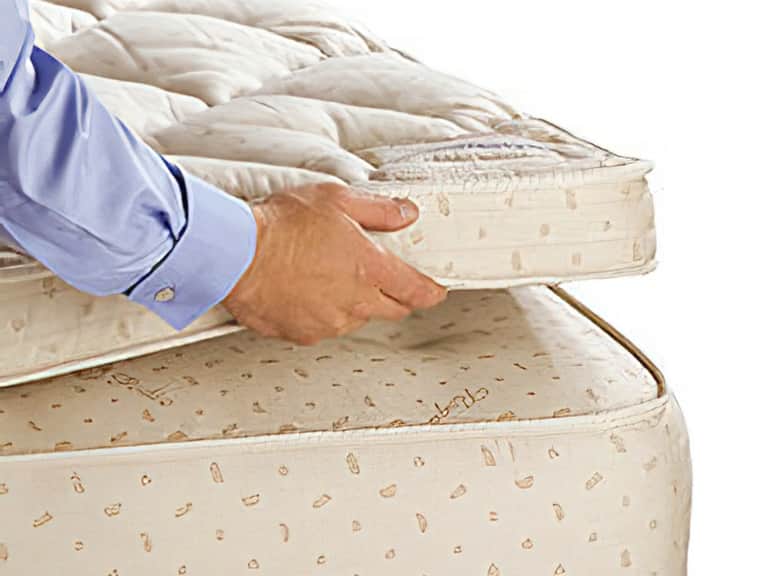
To complement your journey towards better sleep, consider investing in quality sleep products like the Savvy Rest Tranquility Latex Mattress. This affordable, customizable latex mattress is crafted from organic wool, organic cotton, and natural latex. It provides the support and comfort you need for a restorative night’s sleep.
Being only 7 inches thick, it's an excellent choice for children or smaller adults, ensuring that you’re resting on a surface that supports your body while remaining gentle on the environment. The mattress is made in America, reflecting a commitment to quality and sustainability.
Key Features
- Customizable for your sleeping preferences
- Made from organic materials for a healthier sleep environment
- Durable and comfortable, designed to last
Embrace the connection between dietary choices and sleep quality, and elevate your sleep experience with the right mattress. After all, a well-rested body is the gateway to a vibrant and fulfilling life.