Exploring the Impact of Sleep Hygiene on Restorative Sleep
Sleep hygiene refers to a set of practices that promote consistent, uninterrupted, and restorative sleep. It encompasses a variety of factors, including sleep schedules, environmental conditions, and personal habits that collectively influence the quality of our sleep. Understanding sleep hygiene is crucial for enhancing overall sleep quality—simple adjustments in nightly routines can lead to more restful nights and improved well-being.
The Evolution of Sleep Hygiene: Key Figures Through Time
Throughout history, various individuals have contributed to our understanding of sleep and its significance in health and well-being. Here are three key figures who have shaped our perception of sleep hygiene:
1. Sigmund Freud (1856-1939)
As the father of psychoanalysis, Sigmund Freud emphasized the importance of sleep and dreams in understanding the human psyche. His exploration of the unconscious mind revealed how sleep, particularly dreaming, plays a pivotal role in emotional health. Freud argued that understanding our dreams could lead to better mental health, illustrating the need for a peaceful sleep environment, free from disturbances that might affect our subconscious mind.
2. Matthew Walker (B. 1967)
Contemporary sleep scientist Matthew Walker has revolutionized our understanding of sleep with his research on its effects on health and cognition. His book, "Why We Sleep," highlights how sleep hygiene practices—such as maintaining a consistent sleep schedule and creating a conducive sleep environment—are vital for cognitive function, emotional regulation, and overall health. Walker advocates for practices like reducing exposure to artificial light before bedtime, underscoring the impact of our modern lifestyles on sleep quality.
3. Arianna Huffington (B. 1960)
Arianna Huffington, co-founder of The Huffington Post, has become a prominent advocate for sleep and its importance in the wellness movement. After experiencing a personal health crisis related to sleep deprivation, she founded Thrive Global, a company focused on improving well-being through healthier sleep habits. Huffington emphasizes the necessity of prioritizing sleep hygiene, advocating for practices such as mindfulness, disconnecting from technology, and creating a calming bedtime routine.
The Essentials of Sleep Hygiene
To cultivate a restful sleep environment, consider the following aspects:
- Consistent Sleep Schedule: Aim for a regular sleep schedule by going to bed and waking up at the same time each day. This helps regulate your body’s internal clock.
- Optimal Sleep Environment: Your bedroom should be dark, quiet, and cool. Consider using blackout curtains, earplugs, or white noise machines to eliminate disturbances.
- Limit Light Exposure: Exposure to blue light from screens can interfere with melatonin production. Aim to reduce screen time in the hour leading up to bedtime.
- Relaxation Techniques: Incorporate calming activities into your bedtime routine, such as reading, meditation, or gentle yoga, to signal to your body that it’s time to wind down.
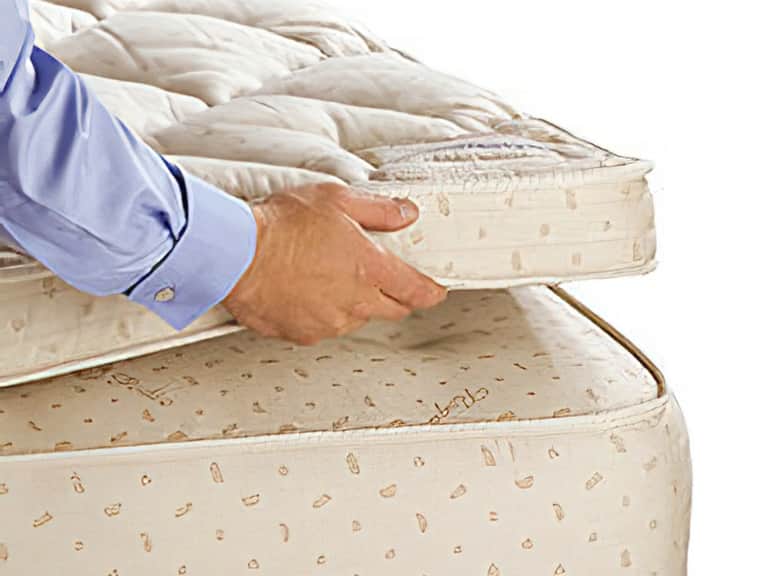
- Comfortable Sleep Products: Invest in quality sleep products that enhance comfort and support. For instance, the Savvy Rest Tranquility Latex Mattress is a customizable option designed from organic materials, perfect for those seeking a healthy sleep solution.
The Role of Environmental Factors
Environmental factors play a significant role in sleep quality. Here are some critical considerations:
Light Exposure
Natural light exposure during the day helps regulate your circadian rhythm, while artificial light exposure at night can hinder it. Strive to get ample sunlight during the day and minimize bright lights in the evening.
Noise Levels
Noise can be a significant disruptor of sleep. Consider using earplugs or white noise machines to mask disruptive sounds that can prevent deep sleep.
Bedtime Routines
Establishing a calming bedtime routine can cue your body for sleep. Consistent rituals such as a warm bath, reading, or light stretching can enhance relaxation and improve sleep onset.
Conclusion: Prioritizing Your Sleep Hygiene
In our fast-paced world, prioritizing sleep hygiene is essential for achieving restorative sleep. By understanding the factors influencing sleep quality and embracing healthy sleep habits, individuals can enhance their overall health and well-being. Investing in quality sleep products like the  can further enhance your comfort and support. Remember, a good night’s sleep is not a luxury; it is a necessity for a healthy and fulfilled life.